LinksDATE
In total there are 12269 links in this list. Showing results 11276-11300.
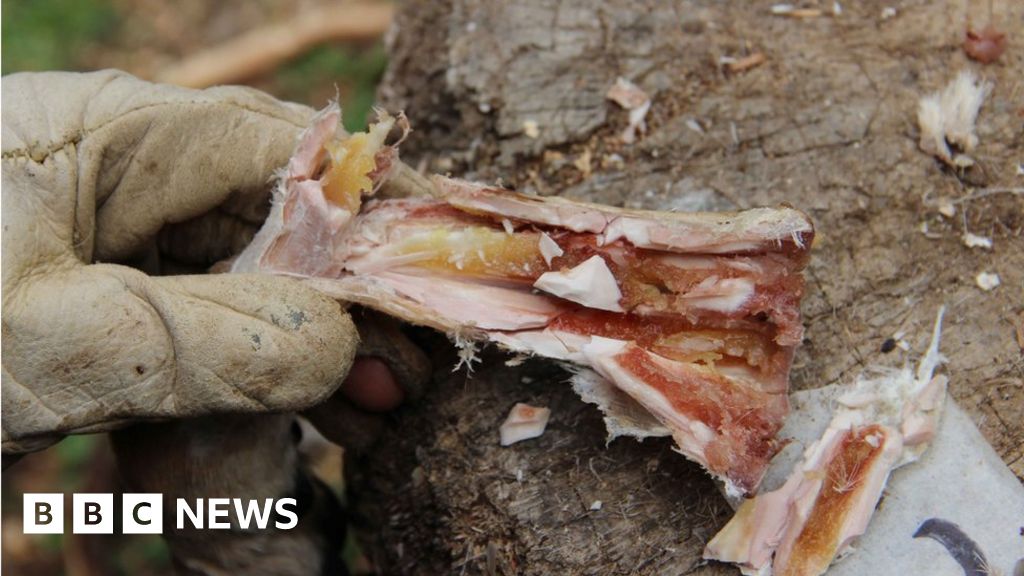
Israel cave bones: Early humans 'conserved food to eat later' - BBC News
Early humans living 200,000-420,000 years ago were previously not thought capable of such planning.
LINK
How you can make better predictions - BBC Future
A few individuals have a heightened ability to forecast what will happen to companies, the economy and politics. What traits do they share?
LINK
The surprising benefits of being blinded by love - BBC Future
Our romantic partners may be riddled with flaws but do our own biases mean we overlook these, even if there are better options on offer elsewhere?
LINK

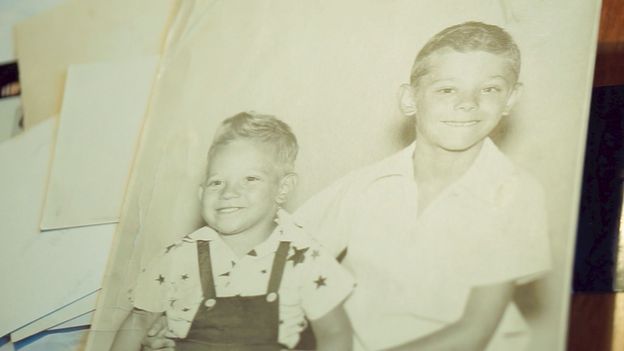
The man who can remember every day of his life - BBC Future
Some think it’s a blessing, others think it’s a curse. Bob Petrella can remember every moment of his life, in visceral detail.
LINK
If we made contact with aliens, how would religions react? - BBC Future
The discovery of life on another planet might seem incompatible with faith in a deity. Yet many theologians are already open to the existence of extraterrestrials
LINK
Clues to your personality appeared before you could talk - BBC Future
Long before you could express yourself with words, you were giving away the signs of your adult temperament. Christian Jarrett explains how.
LINK
Maps have ‘north’ at the top, but it could’ve been different - BBC Future
Why are almost all modern maps the same way up? Caroline Williams explores the intriguing history – and how it sways our psychology.
LINK
Japan ninja student gets top marks for writing essay in invisible ink - BBC
Eimi Haga handed in what looked like a blank sheet of paper - but left her professor a crucial clue.
LINK

Why there is no such thing as a ‘normal’ brain - BBC Future
Having been diagnosed with ADHD at 38, Howard Timberlake went on a personal quest to discover whether any of us has a “typical” mind.
LINK
Tomorrow’s Gods: What is the future of religion? - BBC Future
Throughout history, people’s faith and their attachments to religious institutions have transformed, argues Sumit Paul-Choudhury. So what’s next?
LINK
Will we ever control the world with our minds? - BBC Future
For decades, controlling computers by thought was the stuff of science fiction. But now we are tantalisingly close to a breakthrough. The question is, does it create more problems?
LINK
What if the aliens we are looking for are AI? - BBC Future
The search for extraterrestrial life has so far assumed our cosmic neighbours are organic. What if we’re dealing with artificial intelligence?
LINK

Euromillions lottery: What do you do with £170m? - BBC News
How will life change for the UK ticket-holder who has become Britain's richest lottery winner?
LINK

The outrageous plan to haul icebergs to Africa - BBC Future
Some experts are seriously considering a proposal to harvest Antarctic icebergs and haul them to Cape Town. What are the chances it will succeed?
LINK
How selling citizenship is now big business - BBC News
A growing number of countries will now sell foreigners one of their passports - for a price.
LINK
What the voice inside your head says about you - BBC Future
We tend to assume that our internal monologue “speaks” in words – but it turns out that, for many of us, it’s much more complicated.
LINK
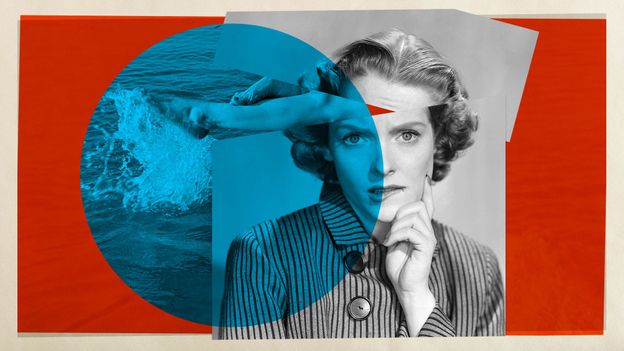
Why ‘flight shame’ is making people swap planes for trains - BBC Future
The flight shame movement is about feeling accountable for your carbon footprint - but it is also about rediscovering the joy of slow travel, writes Jocelyn Timperley.
LINK

The untapped potential of the ‘longevity economy’ - BBC Worklife
With increased lifespans, elders are living thousands of days longer. That’s very good news for the global economy.
LINK
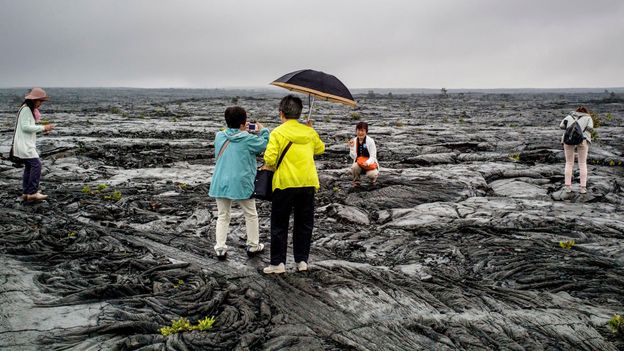
Nobel chemistry prize: Lithium-ion battery scientists honoured - BBC News
Three scientists have been awarded the 2019 Nobel Prize in Chemistry for the development of lithium-ion batteries.
LINK
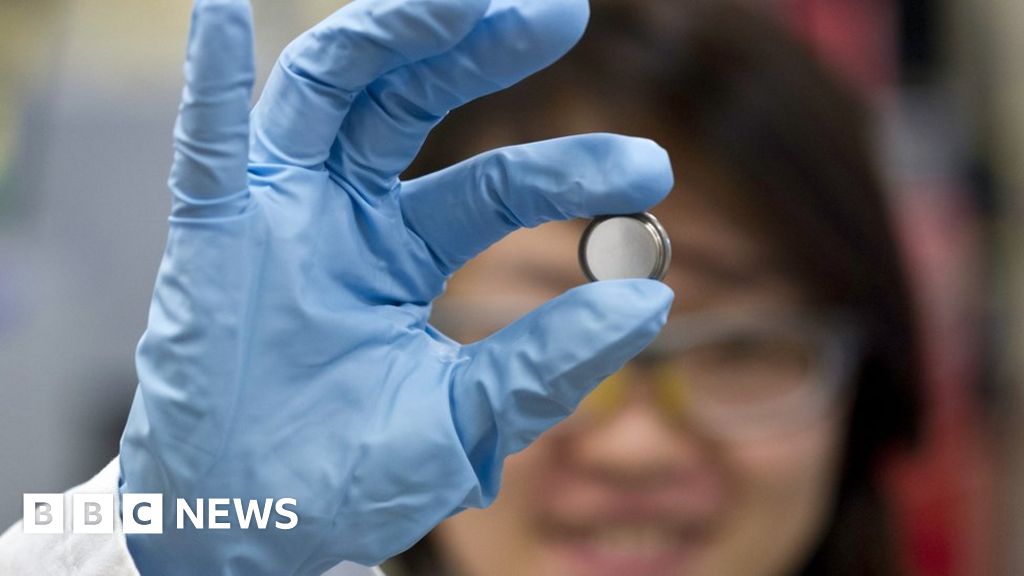
Shakil Afridi: The doctor who helped the CIA find Bin Laden - BBC News
Shakil Afridi was accused of running a fake vaccination scheme and says he never got a fair trial.
LINK
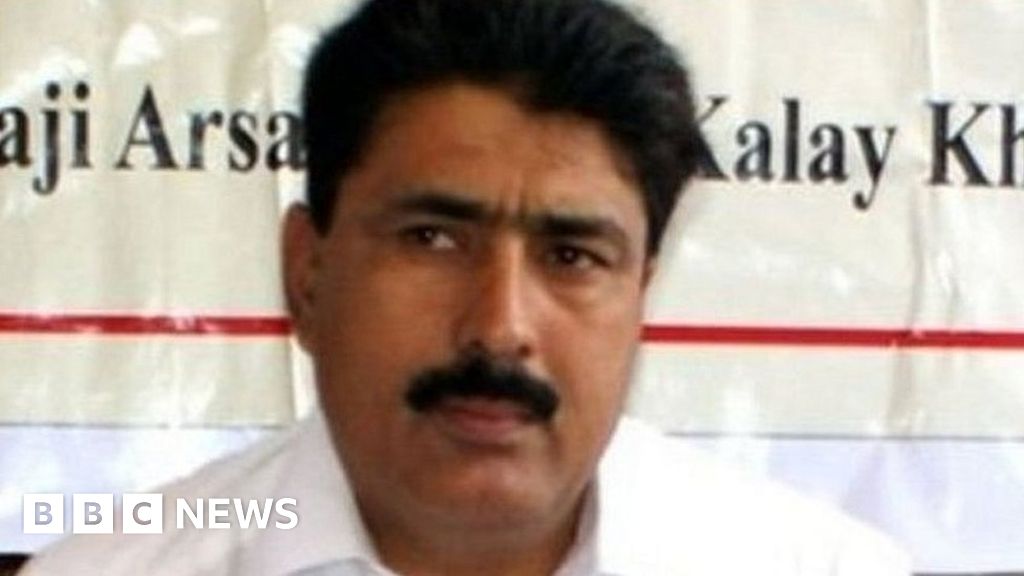
Why the way we talk to children really matters - BBC Future
There could be a simple way to help young children’s brains improve for the better, with long-lasting benefits.
LINK

The secret of being a good father - BBC Future
Child development research has often ignored fathers. But new studies have found non-maternal caregivers play a crucial role in children’s behaviour, happiness, even cognitive skills.
LINK
The truth about eating eggs - BBC Future
We examined the research and spoke to experts to get to the bottom of the age-old question: Are eggs healthy – or a cause of heart disease?
LINK

The '3.5% rule': How a small minority can change the world - BBC Future
Nonviolent protests are twice as likely to succeed as armed conflicts – and those engaging a threshold of 3.5% of the population have never failed to bring about change.
LINK
Dunbar's number: Why we can only maintain 150 relationships - BBC Future
The theory of Dunbar’s number holds that we can only really maintain about 150 connections at once. But is the rule true in today’s world of social media?
LINK